- For earthmoving and civil contractors, civil liability insurance means liability coverage built for civil works. It responds to injury or damage to third parties, plus site-specific risks like damage to underground services and vibration or removal of support.
- The same words are also used for the ‘civil liability’ wording on professional indemnity policies, which is a different product for engineers and consultants.
- Standard public liability often carries conditions around depth, underground assets and support of neighbouring structures. Check them before you sign a contract.
- Principals usually ask for $10 million or $20 million of liability and a certificate of currency before you start.
Civil liability insurance, in the earthmoving and civil contracting world, is liability cover written for businesses that break ground for a living. It responds when your work injures someone or damages property that isn’t yours, and it deals specifically with the risks that come with excavation. Cutting a buried cable. Undermining a neighbouring wall. Cracking a footpath with vibration. If you’ve been asked for ‘civil liability’ on a tender or a subcontract, that’s almost always what the principal means.
It’s worth clearing up one thing first, because the term gets used in two different ways.
Two meanings of ‘civil liability’
In one sense, civil liability is a legal idea. It’s your responsibility to compensate someone for loss you’ve caused, as opposed to criminal liability. Professional indemnity policies for engineers, surveyors and designers are often written on a ‘civil liability’ basis, meaning they respond to any civil claim arising from the professional service. If you’re a design consultant, that’s the policy you’re being asked about.
If you drive an excavator, civil liability insurance means something else. It’s shorthand for public and products liability built for civil contracting. That’s what this article is about, and it’s what HMIS provides as part of a policy that also covers your mobile plant and heavy motor.
What civil liability insurance covers for a contractor
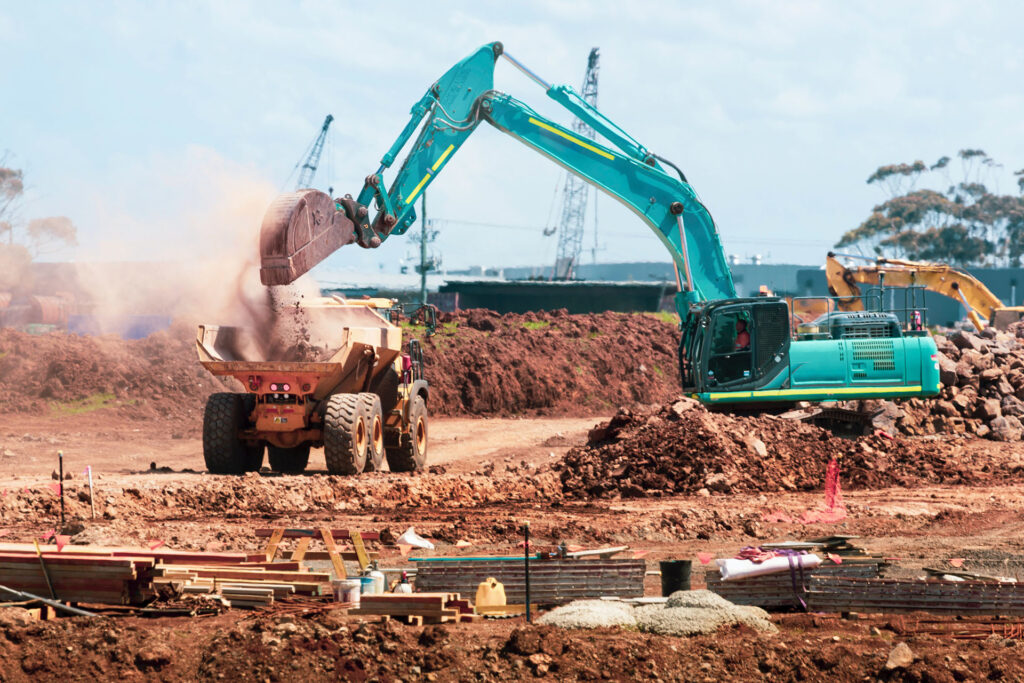
At its base, it’s public liability. If your business causes bodily injury or property damage to a third party and you’re legally liable, the policy pays the compensation and the legal costs, up to the limit. On a civil site, though, the base cover is only part of the story. The covers that decide whether a claim is paid are the ones written for the work itself:
Damage to underground services
Cables, water mains, gas lines, fibre. Hitting one is the classic earthmoving claim, and the asset owner will look to you for the repair, the outage and sometimes the consequential loss. Some liability wordings exclude underground services entirely or cap them at a small sublimit. Under HMIS, damage to underground services is covered on the condition that you take reasonable precautions, including obtaining and following Before You Dig Australia plans and safe excavation practices. The Australian Government’s overview of Before You Dig Australia explains the free referral service. Lodge the enquiry, follow the plans, keep the records with the job file.
Vibration, removal or weakening of support
Compacting, piling, trenching next to a building. If the neighbour’s slab cracks or their retaining wall moves, the claim comes to you. This is where a lot of earthmoving claims come unstuck, because it’s a common exclusion in general liability wordings. It’s built into the HMIS cover.
Contractual liability
Head contracts and subcontracts push risk down the chain. You can end up legally responsible for an incident on the project that wasn’t your negligence, because you signed a contract that says so. Contractual liability cover picks up liability you’ve assumed under contract, within the policy terms.
Errors and omissions
Setting out a level wrong, missing a survey point, giving an instruction that leads to rework. Errors and omissions cover responds to financial loss caused by a mistake in the work rather than physical damage. It’s included in the HMIS liability section.
Every one of these carries limits, conditions and exclusions. The point of a specialist policy isn’t that nothing is excluded. It’s that the exclusions are written by people who understand what happens on a civil site, and you hear about them before you need them.
Where standard liability comes unstuck on civil work

A general business liability policy works well for many businesses. The problem is fit. When you read one against civil work, the same few conditions tend to show up:
- Depth limits, where work below a stated depth is excluded or needs to be declared
- Underground services excluded or heavily sublimited
- Vibration, removal or weakening of support excluded
- Conditions around mine sites, rail corridors or work near water or electrical infrastructure that need to be disclosed up front
- Excesses that step up for young or inexperienced operators
None of that is a criticism of anyone. It’s a reminder to read your schedule against the contract you’re about to sign, and to ask your insurer or broker the direct question: if I cut a cable at 1.8 metres, am I covered?
How much civil liability cover do you need?
Most principals and head contractors ask for $10 million or $20 million, and tier-one projects and mine sites can ask for more. The right limit depends on the contracts you take on, the assets you work near and what your clients require. A $5 million limit might satisfy a small private job and fall well short of a council tender. Bring the contract to the conversation, and we’ll match the limit to it.
You’ll also need a certificate of currency before you start. Get that request in early rather than the day before mobilisation.
How HMIS approaches liability for earthmoving and civil
HMIS bundles liability with cover for your mobile plant and heavy motor, so the excavator, the tipper and the liability of using them sit in one policy with one renewal conversation. The liability section includes damage to underground services (subject to the Before You Dig Australia condition), vibration and removal or weakening of support, contractual liability, and errors and omissions, with no age or inexperience excesses for young mobile plant operators. It’s backed by NTI and reviewed every year. Our earthmoving insurance has the detail, and our industry solutions cover piling and shoring, infrastructure and the other trades that share these exposures.
Frequently asked questions
Is civil liability insurance the same as public liability?
For a contractor, civil liability insurance is public liability written for civil work, with the site-specific covers added. For a design professional, ‘civil liability’ usually describes the basis of a professional indemnity policy. Same words, different products.
Does public liability cover damage to underground services?
It depends entirely on the wording. Many general policies exclude or sublimit it. Under HMIS, it’s covered, provided you take reasonable precautions, including obtaining and following Before You Dig Australia plans and safe excavation practices. Limits, conditions and exclusions apply.
Do I need civil liability insurance as a subcontractor?
Almost certainly. Head contractors will ask for your own liability cover and a certificate of currency before you’re allowed on site, and contractual liability provisions in the subcontract can leave you responsible for more than your own negligence.
What’s a reasonable excess on civil liability?
Excesses vary with the business, the limit and the type of work. What to watch for is excesses that step up when a young or inexperienced operator is involved. HMIS doesn’t apply those.
If you’d like an assessment of your current liability schedule against the work you do, request a quote or call 1800 629 701. We’ll be in touch within one to two business days.
This information is general in nature and does not take into account your objectives, financial situation or needs. Please consider the relevant Product Disclosure Statement and Target Market Determination before deciding whether a product is right for you.
Limits, conditions, excesses and exclusions apply.
About the author
HMIS, Heavy Motor & Machinery Insurance Solutions
This article was written by the team at HMIS (Heavy Motor & Machinery Insurance Solutions). HMIS provides insurance for mobile plant, heavy motor and the liability that comes with using them, built for earthmoving, civil, piling and shoring, infrastructure and related trades. Our policies are backed by NTI and reviewed every year. We write these articles to give contractors clear, practical information about their cover, in the same plain terms we’d use on site.