- A business pack is built for premises, contents and general liability. It’s a good product for the business it was designed for, and earthmoving isn’t that business.
- The common gaps are mobile plant and registered trucks sitting outside the pack or under-covered, underground services and vibration excluded from liability, hired-in and dry hire arrangements not addressed, average clauses and operator age excesses.
- The fix isn’t more policies. It’s one policy built for heavy motor, mobile plant, machinery and liability, read against your contracts.
The most common conversation we have with a new earthmoving client goes like this. They’ve got a business pack. It’s been renewed every year. Everyone’s happy, until an excavator goes through a water main or a hired-in roller gets stolen from a site, and the answer from the insurer is a polite version of ‘that’s not what this policy is for’. That gap between a business pack and earthmoving business insurance is what this article is about.
That’s not the insurer being difficult. A business pack does exactly what it says. It’s a package of covers for a business with premises, contents, stock and staff, with public liability for people slipping in the shop. Earthmoving businesses buy them because they’re familiar and quick. The problem is fit, and you can predict the gaps.
What does business insurance not cover for earthmoving? The usual gaps
1. The machines themselves
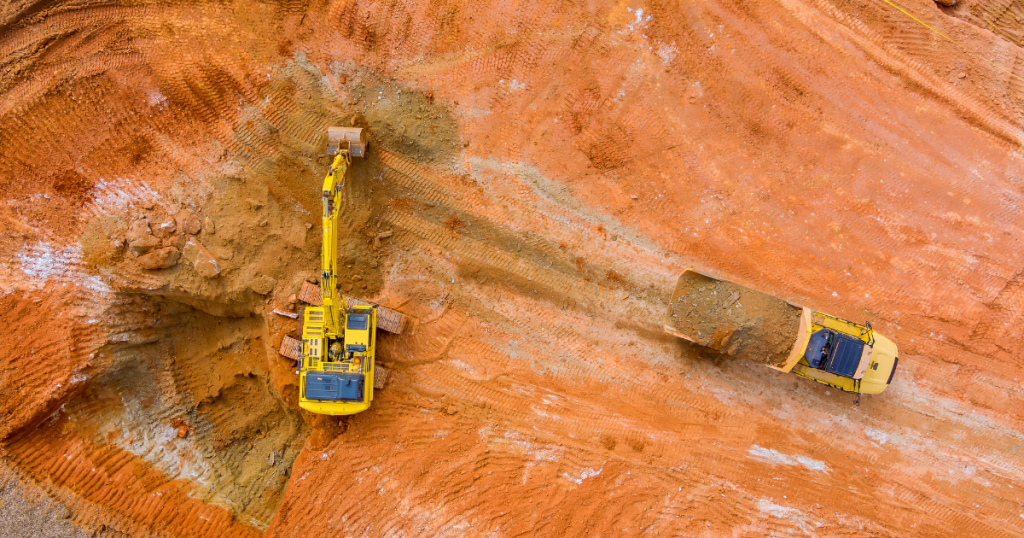
A business pack’s property section is designed for buildings, contents and portable tools. Mobile plant is usually either excluded or squeezed into a general property or machinery section that wasn’t written with a 20-tonne excavator in mind. Registered trucks and trailers need their own motor cover and often sit with a different insurer again. You end up with three policies, three renewals and gaps in between, especially for the attachments and the gear in transit.
2. Damage to underground services
The classic earthmoving claim. Cut a fibre cable or a gas main and the asset owner will look to you for the repair and the outage. Public liability written for general business commonly excludes damage to underground services or caps it at a small sublimit. A purpose-built earthmoving policy treats it as a core cover, with a sensible condition attached. Under HMIS, damage to underground services is covered provided you take reasonable precautions, including obtaining and following Before You Dig Australia plans and safe excavation practices.
3. Vibration, removal or weakening of support
Compaction, trenching and piling next to existing structures. When the neighbour’s slab cracks, the claim is yours. This is a standard exclusion in a lot of general liability wordings and it’s where plenty of earthmoving claims come unstuck. It’s built into the HMIS liability section.
4. Hired-in plant and dry hire
Hiring an extra roller for a fortnight, or hiring your own excavator out without an operator. Both are normal ways to run an earthmoving business, and both raise a question a business pack usually doesn’t answer. Who insures the machine while it’s in someone else’s hands? HMIS includes hired-in plant as an automatic benefit, covers wet and dry hire, and covers theft by hirers as standard. Limits, conditions and exclusions apply.
5. Average and underinsurance clauses
Many property covers carry an average clause. If your sums insured are below the true value, the insurer reduces your claim in proportion. With machinery values moving the way they have, that catches people out. HMIS has no average or underinsurance clause.
6. Excesses for young or inexperienced operators
Your 19-year-old apprentice is on the excavator most days. Under a lot of motor and plant wordings, that means a stepped-up excess when something goes wrong. HMIS applies no age or inexperience excess for young operators of mobile plant.
7. Contract conditions you’ve already agreed to
Head contracts push liability down the chain, and a subcontractor can end up responsible for incidents that weren’t their negligence. Contractual liability coverage, errors and omissions, and the right limits for the site (mine sites and infrastructure projects commonly ask for $20 million are the things a principal will ask about, and a business pack may not have an answer.
How to check your own policy in ten minutes
You don’t need to be an insurance expert to spot most of this. Pull out your schedule and your last contract, and look for:
- Are the excavators, loaders and dozers listed individually with an agreed or market value, or lumped into ‘plant and equipment’?
- Are the trucks and trailers on the same policy as the plant, or somewhere else?
- Does the liability section mention underground services, vibration and removal of support, and if so, is it an inclusion, an exclusion or a sublimit?
- Is hired-in plant covered, and is dry hire out addressed at all?
- Is there an average clause?
- Do excesses change with operator age or experience?
- Does the liability limit match what your last three contracts asked for?
If you can’t answer those from the documents, that’s the conversation to have with your insurer or broker before the next contract, not after the next claim.
Where purpose-built earthmoving business insurance fits
HMIS was built after years of watching earthmoving clients choose between policies that didn’t fit and exclusions that left them exposed. We picked the strongest policy sections, extensions and limits on the market and worked with NTI to combine them into one policy for heavy motor, mobile plant, machinery and liability. The liability risks above are core covers, hired-in plant and goods on hook are automatic benefits, there’s no average clause and no age excess, and the whole thing gets a proper review at every renewal.
It won’t be the lowest premium you’re quoted, and it isn’t meant to be. It’s built to fit the work. See how it applies to your trade on our industry solutions page, or go straight to earthmoving insurance.
Frequently asked questions
Can I just add my excavator to my business pack?
Some insurers will add plant to a business pack, but the property wording still wasn’t written for mobile machinery, and the liability gaps (underground services, vibration, contractual liability) don’t go away. Ask for the wording in writing before you rely on it.
Is earthmoving business insurance more expensive than a business pack?
Often, yes, because it covers more of what can go wrong on your sites. HMIS is positioned as cost-effective for the cover you get rather than as the lowest premium. Quotes are on request and tailored to the business.
What if I only have one machine and a ute?
You’re still an earthmoving business, and the same gaps apply, just at a smaller scale. One machine going through a service is the same claim whether you own one excavator or ten.
Do I still need a business pack if I have earthmoving insurance?
Possibly, for premises, contents and other business exposures that plant and liability cover doesn’t touch. Business interruption is worth a conversation too, since an earthmoving business’s revenue stops when the machine does. We’ll tell you honestly what belongs where.
Want a second set of eyes on your current schedule? Request a quote or call 1800 629 701. We’ll be in touch within one to two business days, and if you’re well covered already, we’ll say so.
This information is general in nature and does not take into account your objectives, financial situation or needs. Please consider the relevant Product Disclosure Statement and Target Market Determination before deciding whether a product is right for you.
Limits, conditions, excesses and exclusions apply.
About the author
HMIS, Heavy Motor & Machinery Insurance Solutions
This article was written by the team at HMIS (Heavy Motor & Machinery Insurance Solutions). HMIS provides insurance for mobile plant, heavy motor and the liability that comes with using them, built for earthmoving, civil, piling and shoring, infrastructure and related trades. Our policies are backed by NTI and reviewed every year. We write these articles to give contractors clear, practical information about their cover, in the same plain terms we’d use on site.